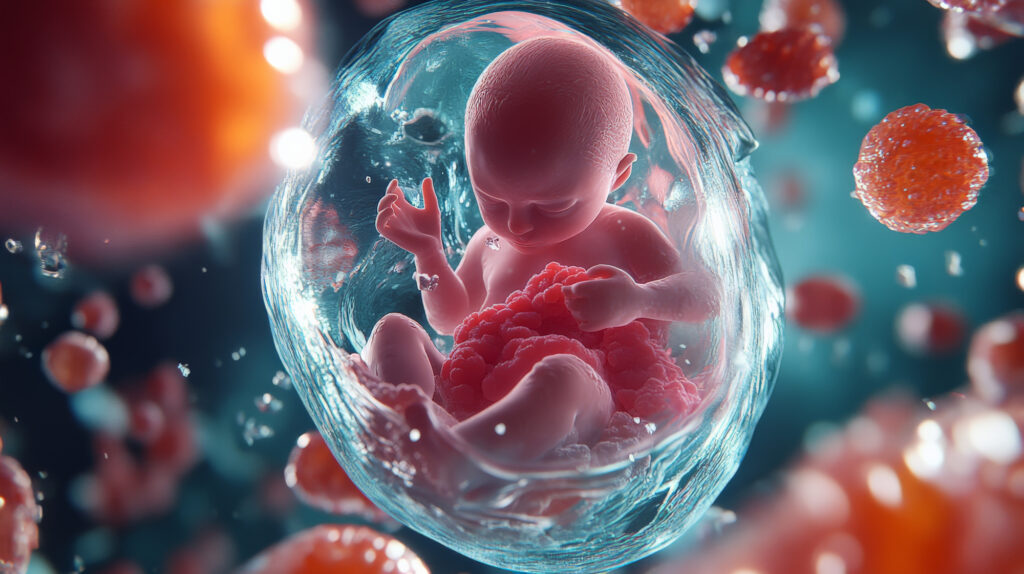
Embryo biopsy is an essential step in Preimplantation Genetic Testing (PGT) during the IVF process. In this procedure, embryologists carefully remove a few cells from a developing embryo—typically from the trophectoderm, which is the part of the embryo that will later form the placenta.
The purpose of this biopsy is to perform genetic analysis, which allows specialists to check for chromosomal abnormalities or single-gene disorders. By screening embryos in this way, clinics can ensure that only the healthiest embryos, free from serious genetic conditions, are selected for transfer to the uterus. This approach helps improve the chances of a successful pregnancy and reduces the risk of passing on genetic diseases.
Many couples feel concerned about the safety of embryo biopsy procedures. Even though embryo biopsy is a standard process within Preimplantation Genetic Testing (PGT), they worry about its long-term effect on the health of the child. In actuality, the procedure is completely safe as per current medical data, especially when performed by experience professionals.
Modern biopsy techniques are highly safe when done by experienced labs.
Fact: Modern biopsy techniques are highly safe when done by experienced labs.
1. Embryo damage during biopsy, freezing, or thawing is rare (1–5%) and can affect implantation or growth only if this rare event actualizes.
2. Most biopsies are now done at the blastocyst stage (trophectoderm), which is safer than earlier cleavage-stage methods.
3. Clinics use precise advanced lasers to remove only 5–10 cells.
4. Non-Invasive PGT analyses cell-free DNA in culture medium, removing biopsy risk but is currently less reliable than traditional approaches.
Fact: Babies born after PGT-A are as healthy as naturally conceived babies. Perinatal outcomes (birth weight, height, gestational age) are similar between the two groups. The primary advantage of PGT-A lies in its role in helping clinics select embryos that are free from serious genetic disorders. This reduces the risk of passing on genetic conditions but does not result in children who are fundamentally different from others. Instead, the procedure ensures the healthiest embryos are chosen, supporting optimal outcomes for families. Children born after PGT-A generally experience normal growth and development, just like those conceived without genetic testing.
Large studies show no increase in birth defects. Studies show similar rates of foetal anomalies, birth defects, preterm births, and early childhood health issues in PGT-A babies compared to IVF/natural conception babies.
The most robust scientific evidence indicates that performing Preimplantation Genetic Testing for Aneuploidies (PGT-A) is associated with a higher live birth rate per embryo transfer compared to cases where PGT-A is not used. This suggests a clear benefit in terms of maximizing the chances of a successful pregnancy for each embryo transfer.
However, evidence for other outcomes such as a reduction in miscarriage rate, abnormal pregnancies, and time to pregnancy is weaker or scarce.
PGT-A is a safe and well-established technology in the field of modern IVF and embryo biopsy has become a routine method utilized by fertility centres across the globe. Over time, advancements have made embryo biopsy both reliable and minimally invasive, supporting optimal outcomes for patients seeking fertility treatment.
