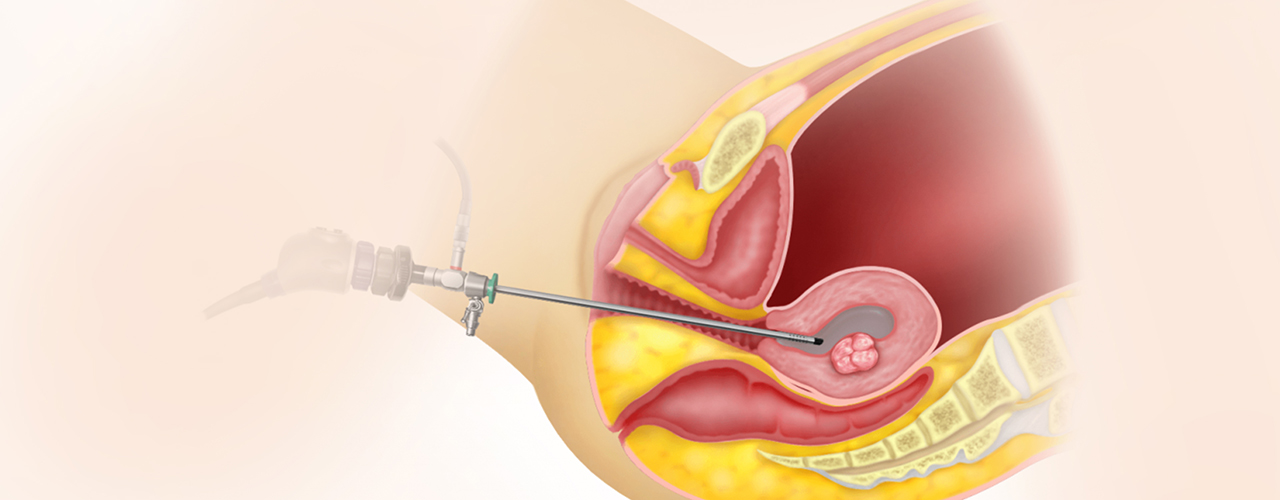
Hysteroscopy, a minimally invasive surgical procedure, has emerged as a valuable tool in the realm of assisted reproductive technology (ART). Particularly, when performed prior to embryo transfer, hysteroscopy offers a multitude of benefits, contributing to increased success rates and improved outcomes in fertility treatments.
Hysteroscopy provides a direct visualization of the uterine cavity, allowing for a thorough examination of its structure. This detailed assessment helps identify and address any abnormalities such as polyps, fibroids, adhesions, or congenital anomalies that may hinder successful embryo implantation.
The presence of uterine polyps or fibroids can significantly impact fertility by disrupting the implantation process. Hysteroscopy enables the removal of these growths, creating a more favorable environment for embryo implantation and development.
In cases where congenital uterine anomalies are detected, hysteroscopy allows for corrective measures to be taken. Addressing such anomalies enhances the chances of a successful pregnancy by optimizing the uterine environment for embryo implantation.
Studies have demonstrated that incorporating hysteroscopy before embryo transfer can lead to improved pregnancy rates. By addressing and rectifying uterine abnormalities, this procedure sets the stage for a more conducive environment, maximizing the likelihood of successful implantation.
Hysteroscopy aids in the identification and removal of potential obstacles within the uterine cavity. This proactive approach minimizes the risk of miscarriage by ensuring a healthier and more supportive environment for the developing embryo.
Each individual's reproductive anatomy is unique, and hysteroscopy allows fertility specialists to tailor treatment plans based on specific findings. This personalized approach increases the precision and effectiveness of fertility interventions, ultimately enhancing the overall success of assisted reproductive treatments.
Hysteroscopy provides a high level of diagnostic accuracy compared to other imaging techniques. This precision is crucial in detecting subtle abnormalities that may go unnoticed through alternative diagnostic methods, ensuring a comprehensive evaluation of the uterine cavity.
In the realm of assisted reproduction, the incorporation of hysteroscopy prior to embryo transfer emerges as a strategic and beneficial approach.
By offering a detailed assessment of the uterine cavity and facilitating corrective interventions, hysteroscopy contributes to improved pregnancy rates, reduced miscarriage risks, and personalized treatment plans.
As fertility treatments continue to advance, hysteroscopy stands out as a key tool in optimizing the chances of successful embryo implantation and achieving the dream of parenthood.
